
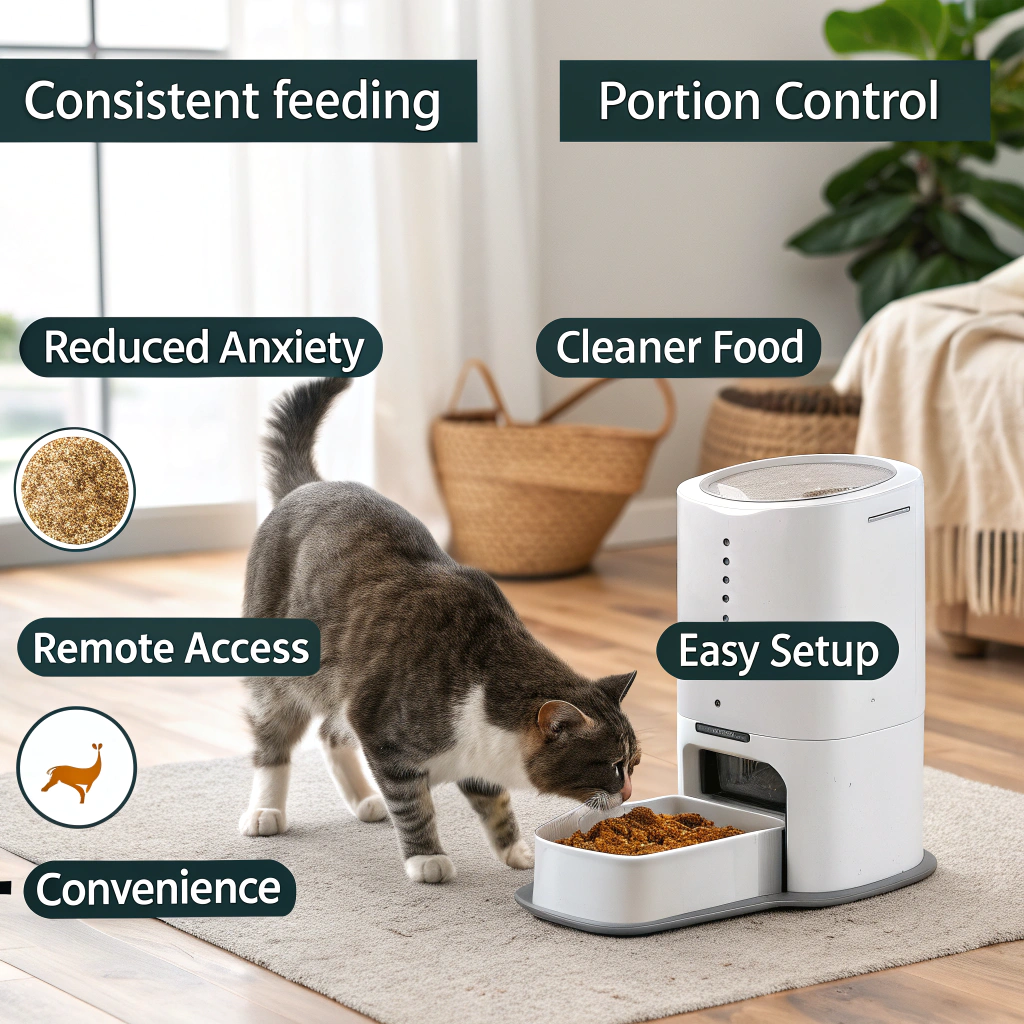
Automatic Cat Feeder:As a responsible pet owner, making informed decisions about your feline companion’s health is crucial. When faced with a surgical procedure, understanding the available cat surgery options can be overwhelming.

You’re not alone in this journey. This comprehensive guide will walk you through the various surgical procedures available for your feline friend, helping you navigate the complex world of feline surgery. By the end of this guide, you’ll be well-equipped to discuss your pet’s surgical needs with your veterinarian.Automatic Cat Feeder
Key Takeaways : Automatic Cat Feeder
- Understanding the different types of feline surgical procedures
- Learning about the benefits and risks associated with each surgery
- Preparing your feline companion for a successful surgery and recovery
- Discussing your pet’s surgical needs with your veterinarian
- Making informed decisions about your feline friend’s health
Understanding Common Cat Surgical Procedures
As a cat owner, it’s essential to familiarize yourself with the typical surgical procedures that your veterinarian may recommend. Cats often undergo surgery for various reasons, ranging from preventive measures to emergency interventions. Understanding these common cat surgical procedures will help you better comprehend your cat’s treatment options and make informed decisions about their care.Automatic Cat Feeder
Spaying and Neutering
Spaying and neutering are among the most common surgical procedures performed on cats. These operations are crucial for population control and have health benefits for your cat, such as reducing the risk of certain cancers and undesirable behaviors like spraying or roaming.Automatic Cat Feeder
Tumor Removal and Biopsies
Tumor removal surgeries are performed to remove cancerous or benign growths. A biopsy, which involves taking a tissue sample for examination, is often a diagnostic step in determining the nature of a tumor. Understanding the process and implications of these procedures can help you navigate your cat’s cancer treatment.Automatic Cat Feeder
| Procedure | Purpose | Benefits |
|---|---|---|
| Spaying/Neutering | Prevent unwanted breeding, reduce certain health risks | Reduces undesirable behaviors, lowers cancer risk |
| Tumor Removal | Remove cancerous or benign tumors | Can be curative if caught early, improves quality of life |
| Biopsy | Diagnose the nature of tumors or growths | Provides crucial information for treatment planning |
Emergency and Trauma Surgeries
Emergency and trauma surgeries are lifesaving interventions performed in response to acute injuries or conditions, such as being hit by a car, fights with other animals, or internal injuries. These surgeries require prompt action and skilled veterinary care to save your cat’s life or prevent further complications.
By understanding these common cat surgical procedures, you can be better prepared to face any surgical needs your cat may have, ensuring they receive the best possible care.Automatic Cat Feeder
Exploring Cat Surgery Options for Different Conditions
When it comes to your cat’s health, understanding the various surgical options available is crucial. Cats can suffer from a range of medical conditions that may require surgical intervention, and it’s essential to explore these options to ensure the best outcome for your pet.Automatic Cat Feeder
Soft Tissue Surgeries
Soft tissue surgeries involve operations on your cat’s internal organs and tissues. These procedures are critical for addressing various health issues.Automatic Cat Feeder
Gastrointestinal Procedures
Gastrointestinal surgeries are performed to address issues related to your cat’s digestive system. These can include removing foreign objects, treating tumors, or correcting gastrointestinal abnormalities. Prompt surgical intervention can significantly improve your cat’s quality of life.
Urinary Tract Operations
Urinary tract surgeries are necessary for conditions such as blockages, stones, or tumors in the urinary system. These procedures help restore normal urinary function and alleviate pain. Early diagnosis and treatment are vital for successful outcomes.Automatic Cat Feeder
Orthopedic Procedures
Orthopedic surgeries focus on treating bone and joint issues in cats. These procedures are designed to restore mobility and reduce pain.Automatic Cat Feeder
Fracture Repair
Fracture repair surgeries involve stabilizing and healing broken bones. This can be achieved through various techniques, including the use of pins, plates, or external fixators. Successful fracture repair can significantly enhance your cat’s mobility and comfort.
Joint Surgeries
Joint surgeries are performed to address conditions such as arthritis, torn ligaments, or joint dislocations. These procedures aim to improve joint function and reduce pain, enhancing your cat’s overall quality of life.
Dental and Oral Surgeries
Dental and oral surgeries are crucial for maintaining your cat’s oral health. These procedures can include tooth extractions, tumor removals, and treatments for gum disease. Regular dental care and timely surgical interventions can prevent serious health complications.Automatic Cat Feeder
Benefits and Risks of Surgical Interventions for Cats
The decision to proceed with surgery for your cat should be based on a thorough understanding of the benefits and risks of feline surgical treatments. As a cat owner, it’s crucial to weigh the potential advantages against the possible complications to make an informed decision.
Potential Benefits of Surgical Treatment
Surgical interventions can offer numerous benefits for cats, including relief from pain, correction of deformities, and improvement in quality of life. For instance, spaying or neutering can prevent certain health issues and undesirable behaviors. Similarly, surgical removal of tumors can be lifesaving. Advanced cat surgery techniques have made it possible to treat a wide range of conditions effectively.
The benefits of surgery can be significant, and understanding these can help you make a decision that’s in the best interest of your cat. Some of the key benefits include:Automatic Cat Feeder
- Relief from chronic pain
- Correction of congenital or injury-related issues
- Prevention of certain health problems through procedures like spaying or neutering
- Improved quality of life through the removal of problematic growths or tumors

Understanding Surgical Risks and Complications
While surgical treatments offer several benefits, they also carry risks and potential complications. These can range from reactions to anesthesia and infection to more severe complications depending on the type of surgery. It’s essential to discuss these risks with your veterinarian to understand what to expect.Automatic Cat Feeder
A detailed understanding of the potential risks and complications can be gained by examining the following table:
| Type of Risk | Description | Mitigation Strategies |
|---|---|---|
| Anesthesia Reaction | Adverse reaction to anesthesia, which can range from mild to severe. | Pre-surgical screening, careful selection of anesthesia. |
| Infection | Infection at the surgical site, which can lead to further complications. | Proper wound care, use of antibiotics as prescribed. |
| Bleeding | Excessive bleeding during or after surgery. | Monitoring during surgery, post-operative care. |
Anesthesia Considerations for Felines
Anesthesia is a critical component of many surgical procedures, and its safe administration is vital for the well-being of your cat. Modern veterinary practices use advanced monitoring techniques and tailored anesthesia protocols to minimize risks. Discussing your cat’s specific needs and any concerns with your veterinarian will help ensure the safest possible outcome.Automatic Cat Feeder
Some key considerations for anesthesia in felines include:
- Pre-anesthetic evaluation to assess your cat’s health status.
- Selection of appropriate anesthesia based on the cat’s age, health, and the type of surgery.
- Continuous monitoring during the procedure to quickly address any issues.
Evaluating Your Cat Surgery Options with Your Veterinarian
To make an informed decision about your cat’s surgery, you need to understand the various options for cat surgical procedures available and discuss them with your veterinarian. This collaborative approach ensures that you’re well-prepared for your cat’s surgical journey.Automatic Cat Feeder
Questions to Ask Before Surgery
Before proceeding with surgery, it’s essential to ask your veterinarian the right questions. Consider inquiring about the surgical risks and benefits, the experience of the veterinary surgeon, and what to expect during the recovery period.
- What are the potential risks and complications associated with the surgery?
- What is the surgeon’s experience with this type of procedure?
- How will my cat’s pain be managed during and after surgery?
- What are the post-operative care instructions, and how can I ensure a smooth recovery?
Understanding Treatment Alternative:It’s crucial to understand that surgery might not always be the only treatment option for your cat. Your veterinarian can help you explore alternative treatments that may be available, depending on your cat’s condition.Automatic Cat Feeder
Discussing these alternatives can provide you with a comprehensive understanding of the best course of action for your cat’s health.

Cost Considerations and Insurance Coverage
Understanding the costs associated with your cat’s surgery is vital for planning. The cost can vary widely depending on the complexity of the procedure, the veterinarian’s fees, and other factors.Automatic Cat Feeder
| Procedure | Average Cost | Insurance Coverage |
|---|---|---|
| Spaying/Neutering | $50-$500 | Often covered |
| Tumor Removal | $200-$1,000 | Partially covered |
| Orthopedic Surgery | $1,000-$3,000 | Partially covered |
It’s also important to check with your pet insurance provider to understand what is covered under your policy.
Preparing Your Cat for Surgery
Cat surgery can be a daunting experience, but with the right preparation, you can ensure a smooth process for your pet. As you consider cat surgery options, understanding the preparation involved is crucial for a successful outcome.Automatic Cat Feeder
Pre-Surgical Examinations and Tests
Before the surgery, your veterinarian will conduct a series of pre-surgical examinations and tests to assess your cat’s overall health. These may include blood tests, urinalysis, and other diagnostic procedures to identify any potential risks or complications. By evaluating your cat’s health status, your veterinarian can tailor the surgical plan to your pet’s specific needs.Automatic Cat Feeder
Dietary and Medication Guidelines
Your veterinarian will provide specific dietary and medication guidelines to follow before the surgery. This may include withholding food and water for a certain period or administering specific medications to prepare your cat for the procedure. It’s essential to follow these instructions carefully to minimize risks and ensure your cat’s safety during surgery.Automatic Cat Feeder
Creating a Comfortable Recovery Space at Home
Creating a comfortable recovery space at home is vital for your cat’s post-surgical care. This involves setting up a quiet, warm, and draft-free area where your cat can rest without being disturbed. You should also have any necessary supplies, such as food, water, and medication, readily available to make the recovery process as smooth as possible.Automatic Cat Feeder
By carefully preparing your cat for surgery and following your veterinarian’s guidance, you can help ensure a successful outcome and a speedy recovery for your pet. Considering various feline surgery choices and understanding the preparation required for each can help you make informed decisions about your cat’s care.Automatic Cat Feeder
Conclusion
As a cat owner, understanding your cat’s surgery options is crucial for making informed decisions about their health. By exploring the various surgical procedures available, you can determine the best course of treatment for your feline companion.Automatic Cat Feeder
Your veterinarian plays a vital role in guiding you through the process, from initial consultations to post-operative care. Discussing your cat’s specific needs and conditions with your veterinarian will help you identify the most suitable cat surgery options.
By being informed and prepared, you can ensure your cat receives the best possible care, enhancing their overall health and well-being. Exploring cat surgery options with your veterinarian will enable you to make decisions that support your cat’s long-term health.
FAQ
What are the most common cat surgical procedures?
The most common cat surgical procedures include spaying and neutering, tumor removal and biopsies, emergency and trauma surgeries, soft tissue surgeries, orthopedic procedures, and dental and oral surgeries.
What is the purpose of spaying or neutering my cat?
Spaying or neutering your cat prevents unwanted breeding, reduces the risk of certain health issues, and curbs undesirable behaviors such as spraying or roaming.
What are the risks associated with cat surgery?
As with any surgical procedure, cat surgery carries risks such as reaction to anesthesia, bleeding, infection, and complications during recovery. Your veterinarian will discuss these risks with you in detail.
How can I prepare my cat for surgery?
To prepare your cat for surgery, follow your veterinarian’s instructions for pre-surgical examinations and tests, dietary and medication guidelines, and create a comfortable recovery space at home.
What are the benefits of surgical interventions for cats?
Surgical interventions can offer relief from pain, correct deformities, and improve your cat’s quality of life. They can also be lifesaving in emergency situations.
How do I choose the right surgical option for my cat?
To choose the right surgical option for your cat, consult with your veterinarian to discuss your cat’s specific needs, evaluate the benefits and risks of different surgical procedures, and consider factors such as cost and insurance coverage.
What are some alternatives to surgery for my cat?
Depending on your cat’s condition, alternatives to surgery may include medication, physical therapy, or other non-surgical treatments. Your veterinarian can help you determine the best course of treatment.
How can I ensure a smooth recovery for my cat after surgery?
To ensure a smooth recovery, follow your veterinarian’s post-operative instructions, provide a comfortable and quiet recovery space, and monitor your cat’s condition closely for any signs of complications.
What are the costs associated with cat surgery, and are they covered by insurance?
The costs of cat surgery vary depending on the procedure, location, and other factors. Some pet insurance plans may cover certain surgical procedures, so it’s essential to check with your insurance provider to understand your coverage.
How do I know if my cat needs emergency surgery?
If your cat is experiencing severe symptoms such as difficulty breathing, severe injury, or other life-threatening conditions, seek immediate veterinary attention. Your veterinarian will assess your cat’s condition and determine if emergency surgery is necessary.